This brief story’s from late this last winter, taking place along a local river and a creek I’d never really looked at before.
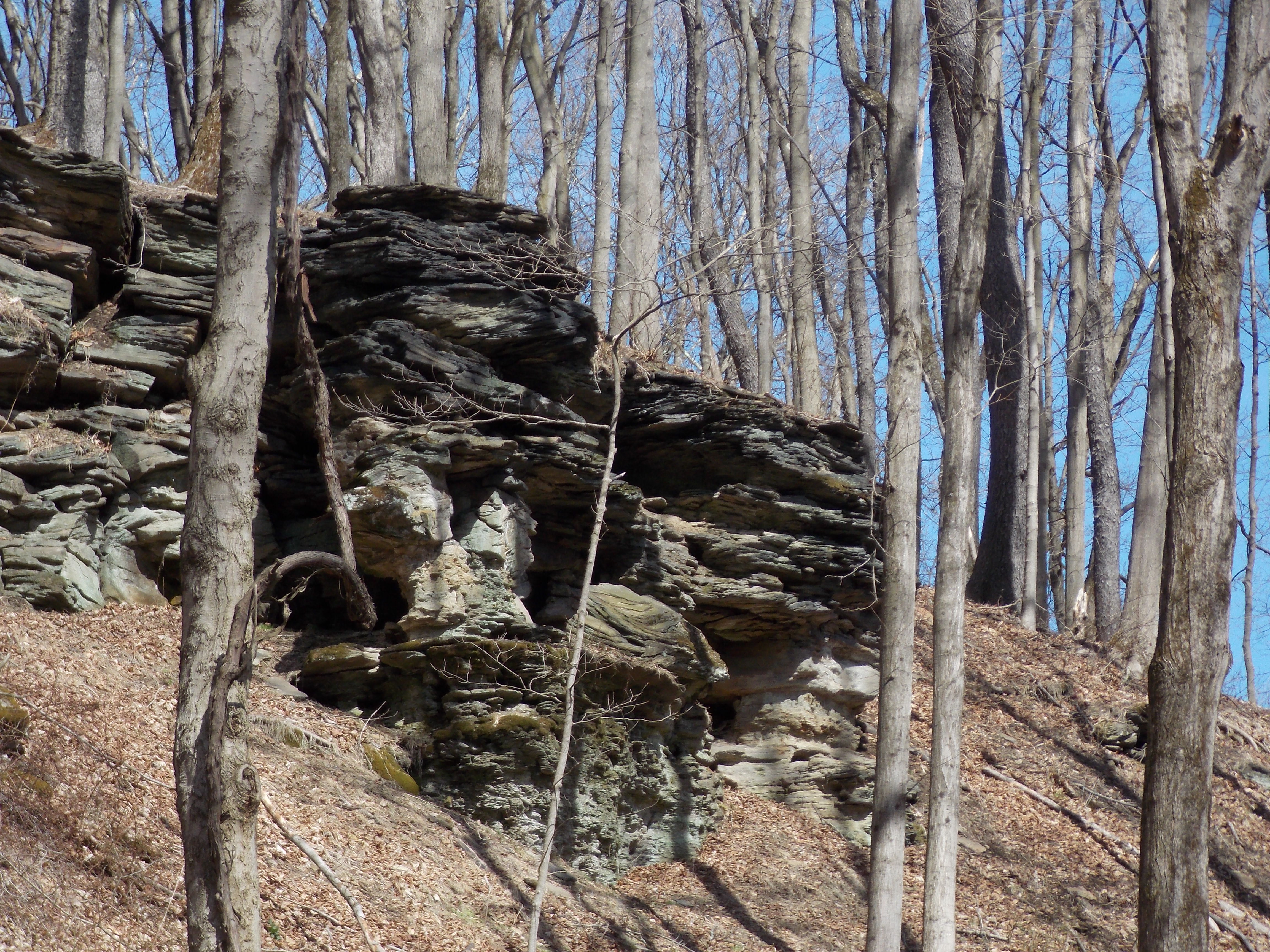
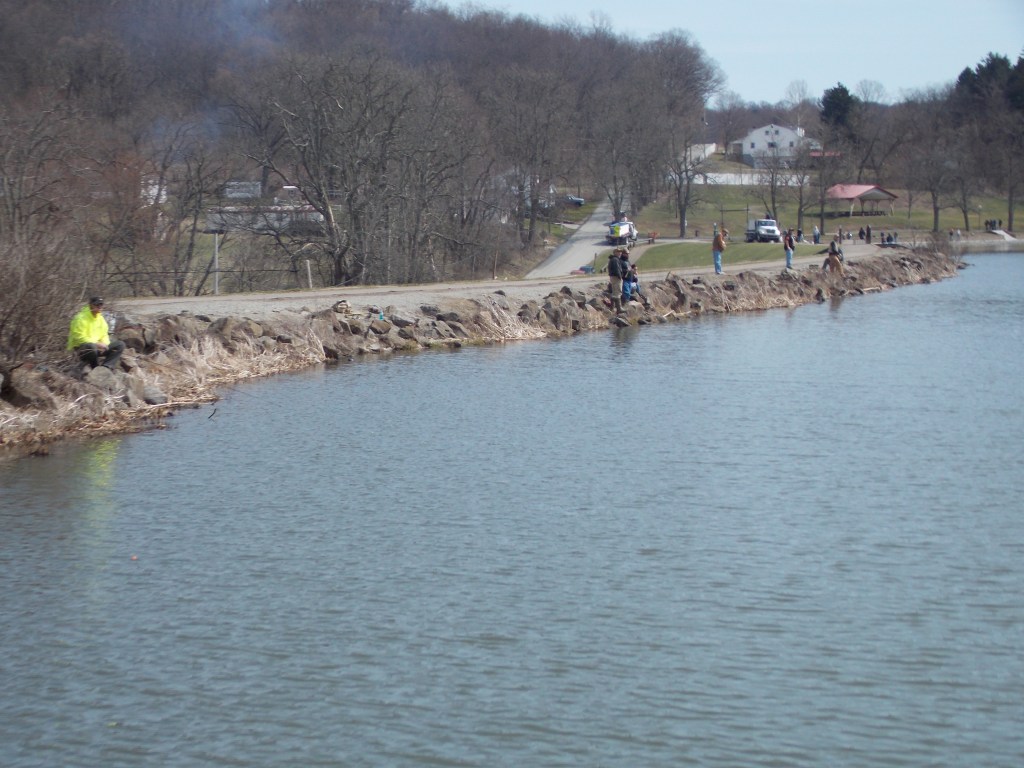
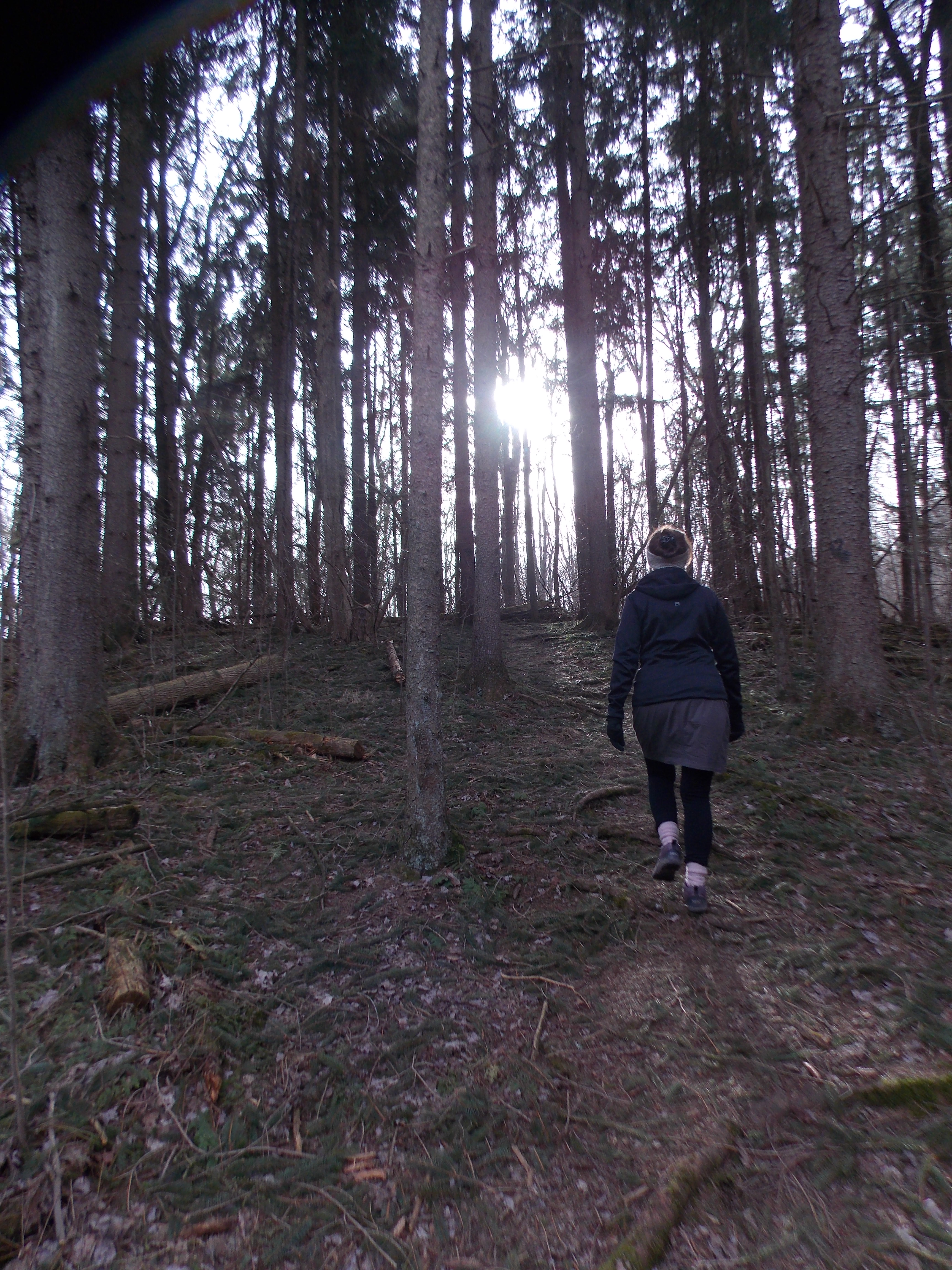
Susan and I just needed a walk during a long drive back from visiting dad. Crossing the Youghiogheny River, we spotted an opportunity for this – a park we’d never set foot in, ripe for exploration – Columbine Creek Park. I wasn’t expecting a lot, to tell the truth, just maybe a path to stretch our legs on for half an hour or so. You couldn’t really call this a very nice day either. It was winter in southwestern Pennsylvania which means cold but snowless and all the leaves now laying below the skeletal trees in a brown mat.

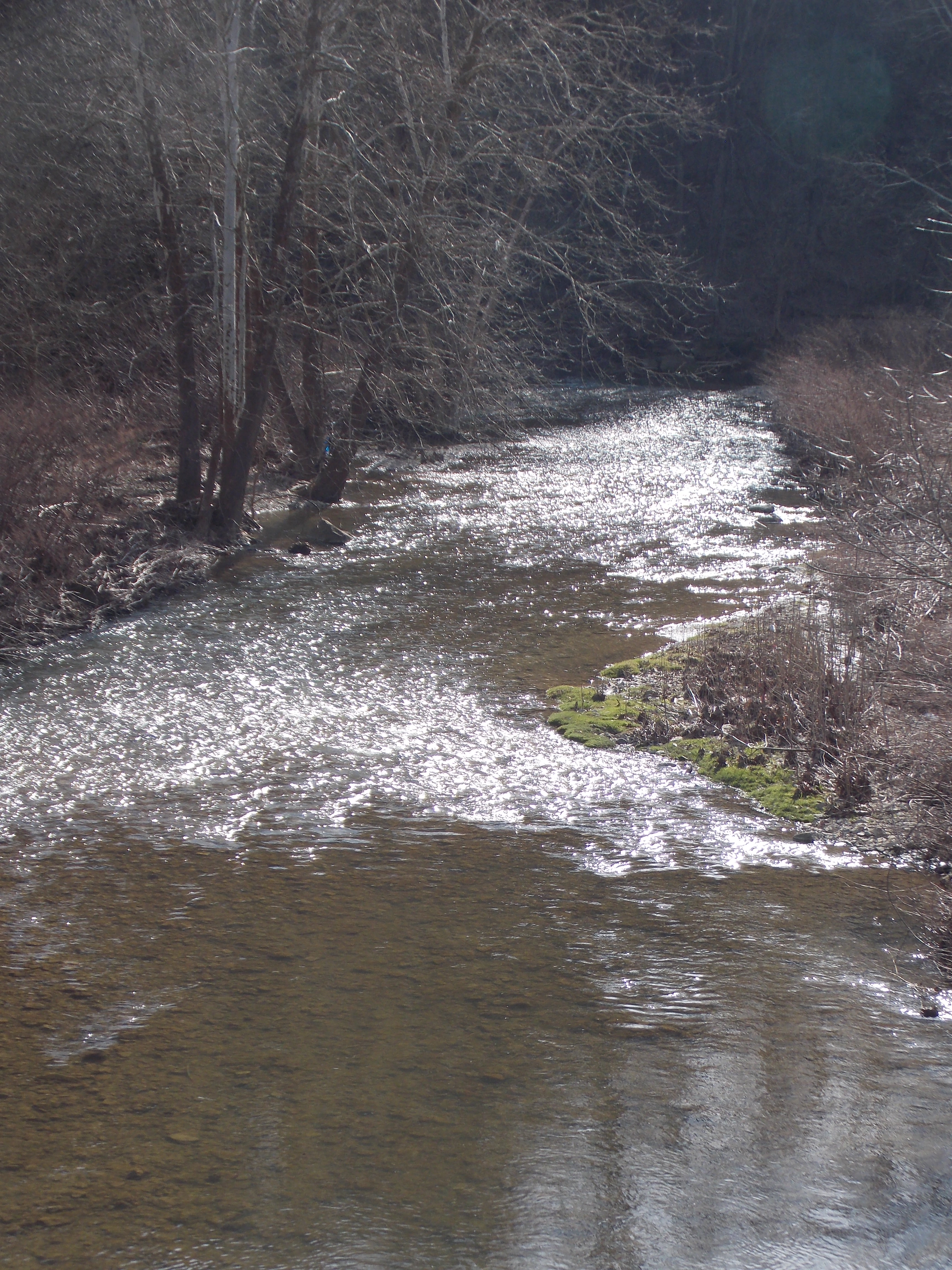
At least there was the Youghiogheny, flowing past within sight of our parking spot once we’d driven to the bottom of the valley. Aesthetically, this mid-size river wasn’t at its best either but it was always good to be along the Yough’. The water was deep enough to shelter a lot of mystery related to toothy fishes such as walleye and muskellunge. A multitude of birds and animals found shelter here too along its banks.
Perhaps it was the cold but Susan didn’t want to go anywhere fast and probably not too far either as we stepped onto the Great Allegheny Passage Trail, heading in the Pittsburgh direction. Ancient sycamores bowed over the river and over the trail and unconcerned ducks took a break on the shore. It was all about the same as last time I’d seen the place during a three week walk from the mouth of the Youghiogheny to Washington D.C. two Decembers earlier.
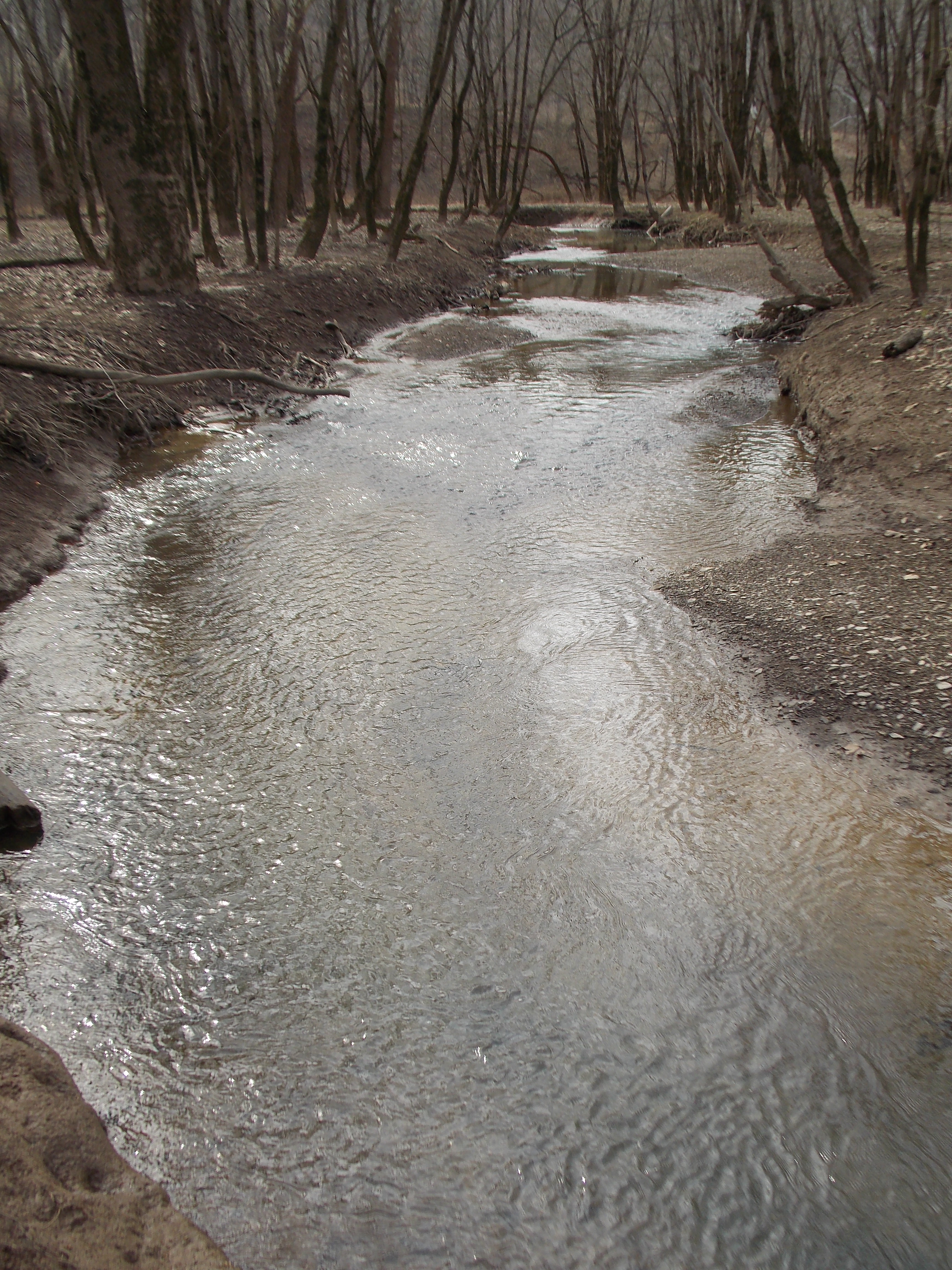
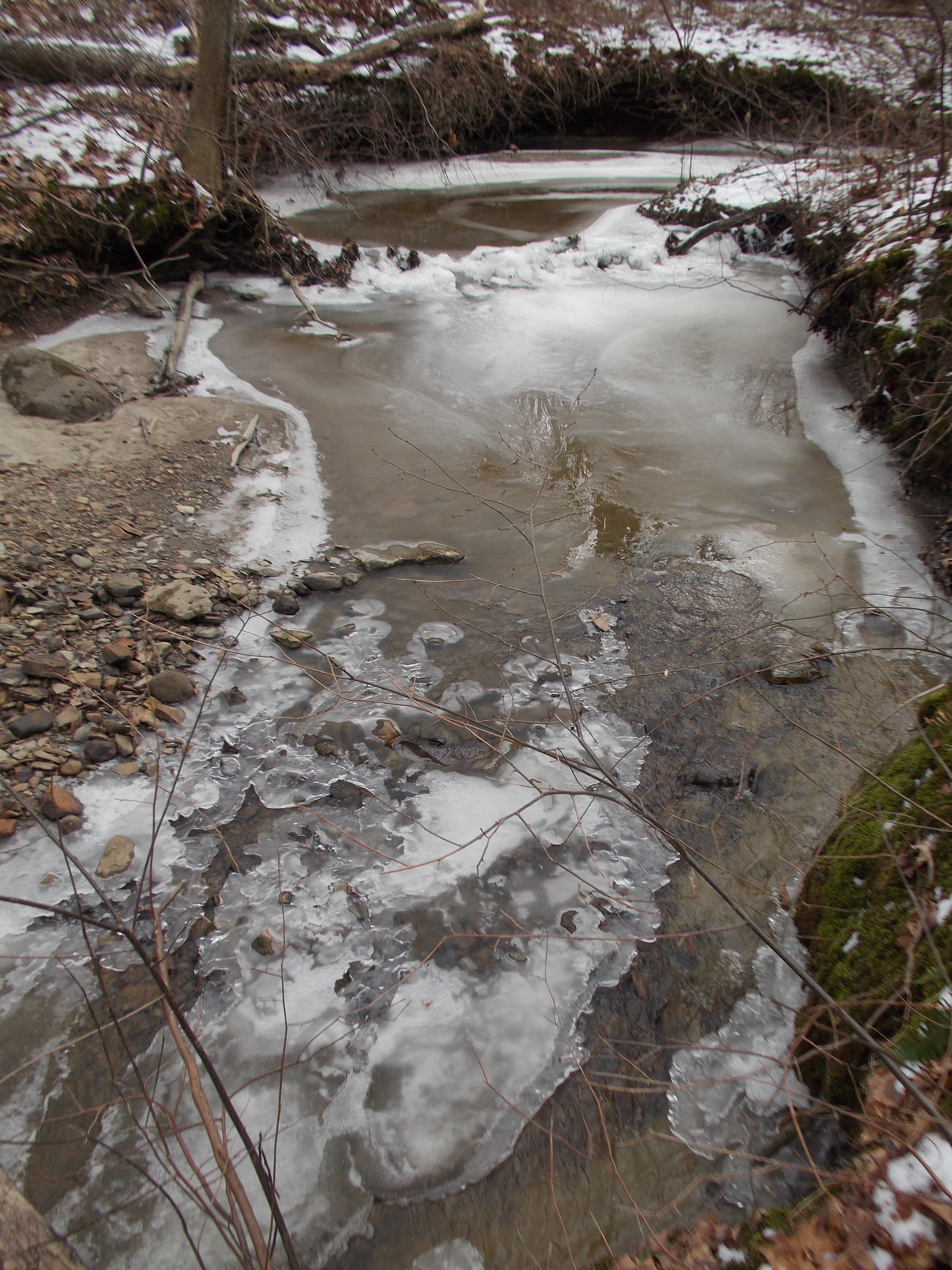
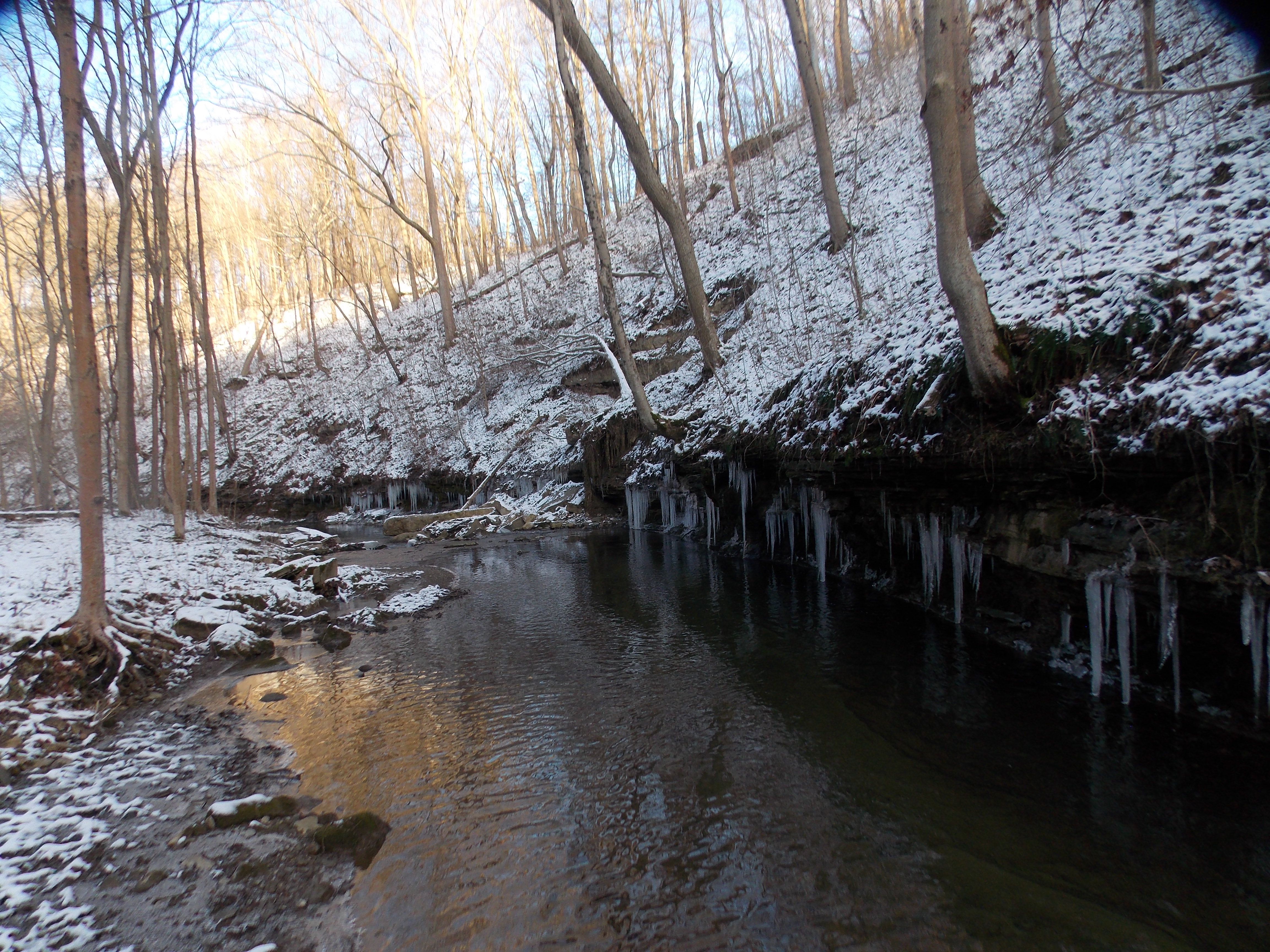
Then there was a bridge with a brook passing beneath and the yawning mouth of something like a Norweigan fjord; as close as we were likely to get to one here in Pennsylvania. It was the valley of Columbine Creek, interrupting the high valley wall of the Youghiogheny to bring in its contribution. Standing on the old bridge, the stream was larger than I’d expected – large enough to hide sizeable fish. But it also had a familiar look to it, very clear water, a wide stream bed compared with the water currently flowing and a lack of organic matter. None of this suggested good things to me about the fish-holding potential of the stream.
Snow had held on in the shady valley bottom and Susan and I now made tracks in it, following the new flow westward. We hadn’t gone half a mile when I realized we weren’t alone. There was a tall fellow following us at a distance but catching up.


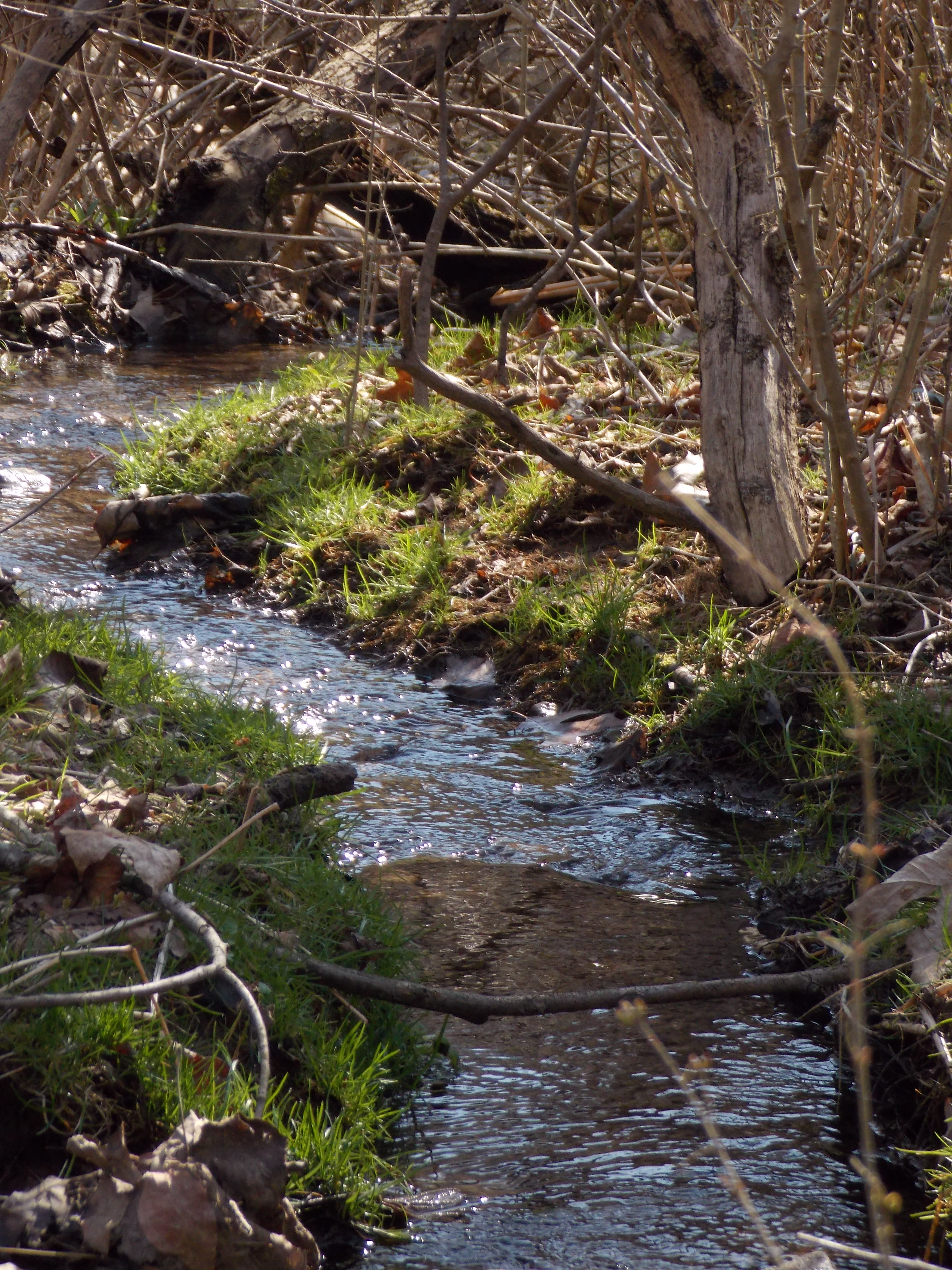
Finally, this lanky, bearded fellow offered a greeting as he passed us, charging ahead upstream. Just after passing though, he did something radical and unexpected: he left the trail to walk along the stream bank in the snow, peering down at the water as he made his way up. Funny how rare it is to find someone willing to get off the trail, explore and look around.
Taking a guess as to his intentions, I caught up with him as he paused to stare into the depths. “Any fish?” I queried.
“Just some minnows back there,” he said, pointing. “Should be some suckers in here too now. There’s not a lot in the winter.”
This was all I knew of this gentleman, yet it was enough to make him interesting. Not a lot of people go for winter walks to look over local streams, trying to assess the fish running up. Not nearly enough people.
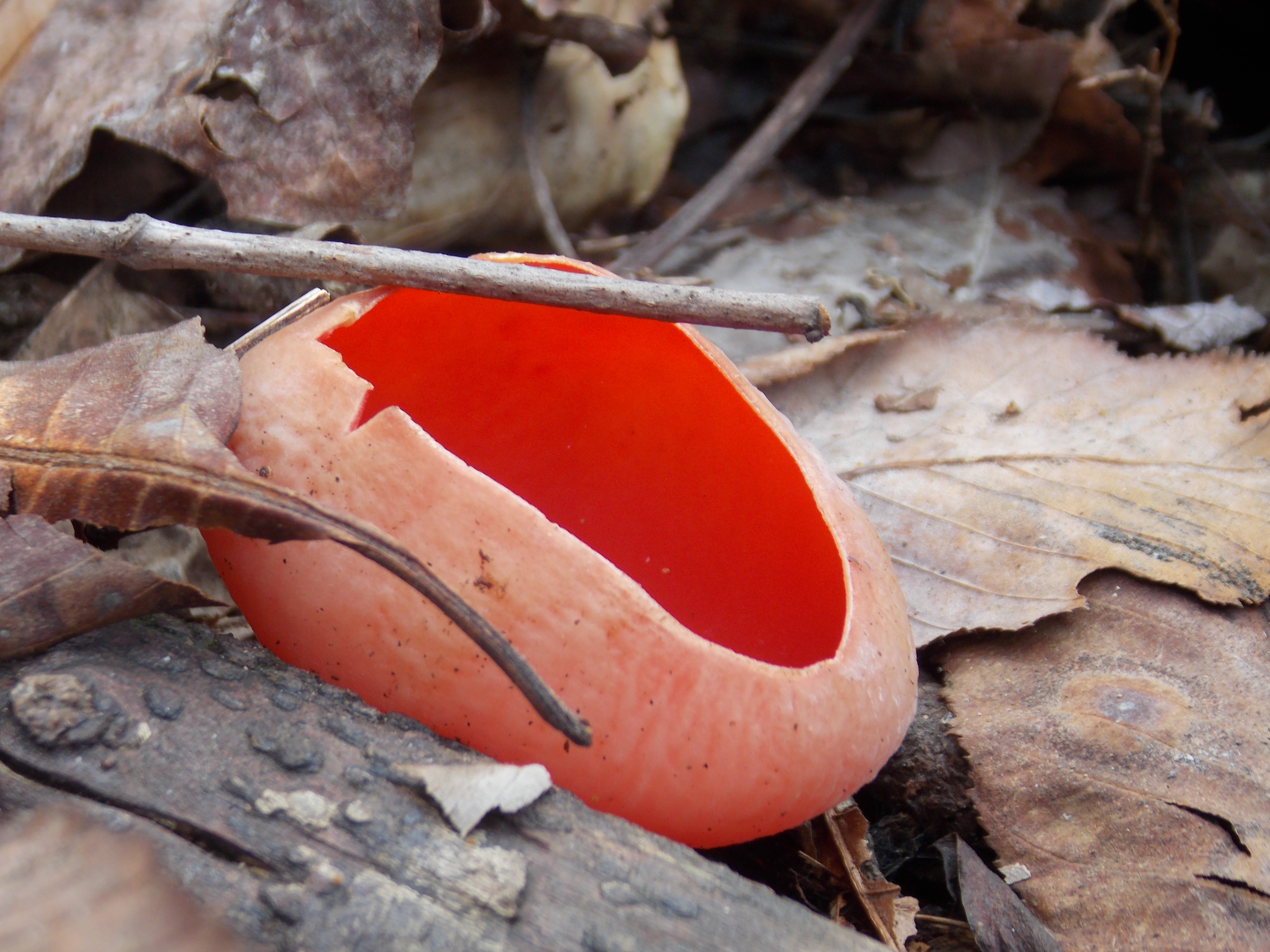
“Long time ago me and my boy put trout in here too. We caught them at another creek and brought them back”- showing me how long with his fingers – “and dumped them in here to see if they’d grow. Well, we come back a couple of years later to those big pools just up there and my boy, on the first cast, pulls out a trout like that,” now spreading the fingers much wider. “The look on his face was priceless. We put the fish back and it was kind of our secret.”
This was interesting and I wondered what all this meant for today’s water. “Do you think any trout live here now?” I questioned.
Our companion shook his head with some certainty. “No, I haven’t seen any. People found out about the trout and came down and kept them all. It just got fished out.”
“I talked to someone with the Fish and Boat Commission and he said that they were thinking about putting some in but I didn’t know if that was a good idea. If people know they stock it, they’ll all just show up here and fish them out again. They’ll take home their daily five and the trout won’t last two weeks. I told him not to bother.”
“I wanted to put up a sign maybe, asking folks to put them back but that’d just tell everyone there’s trout they can catch here.”
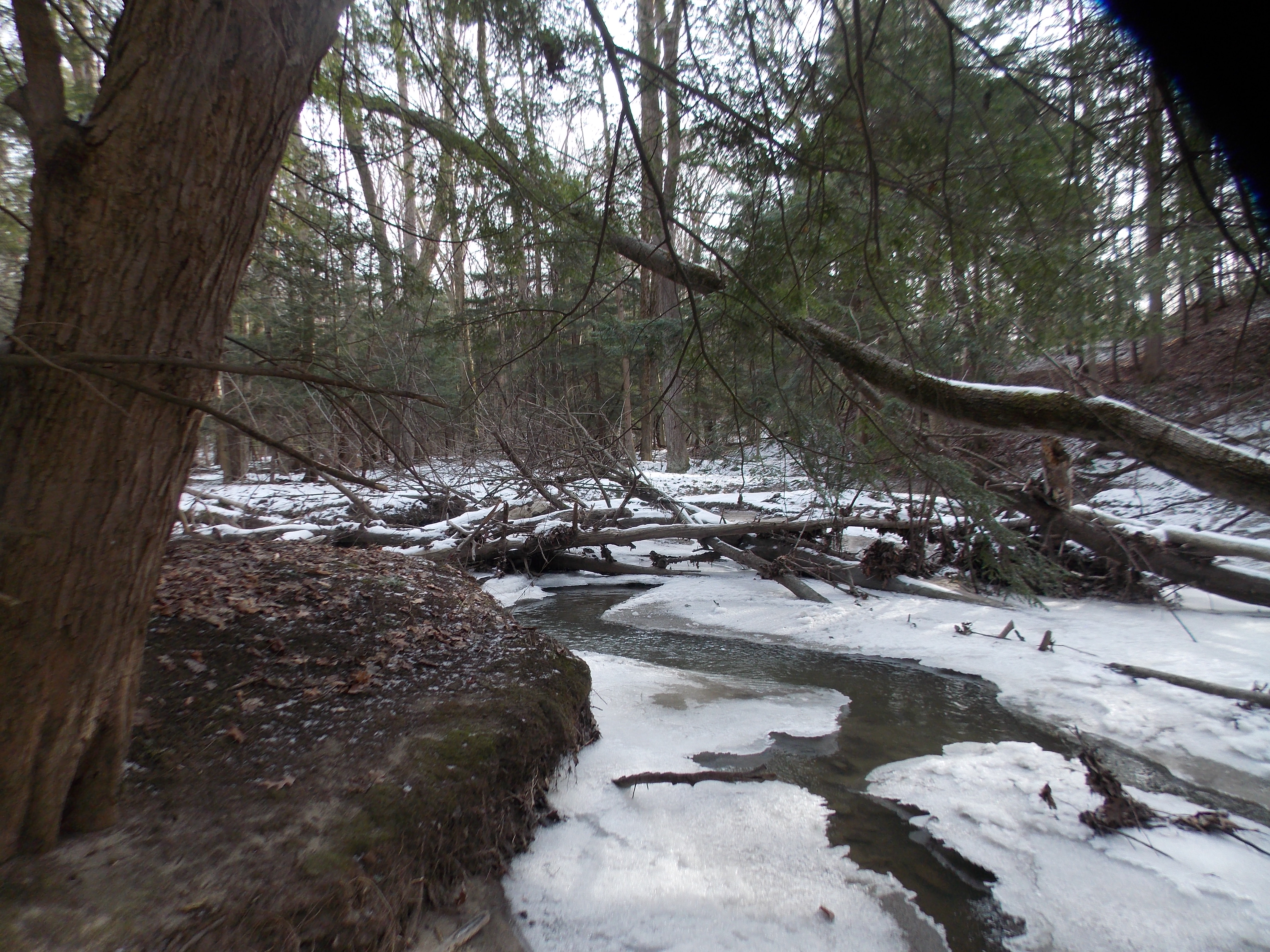
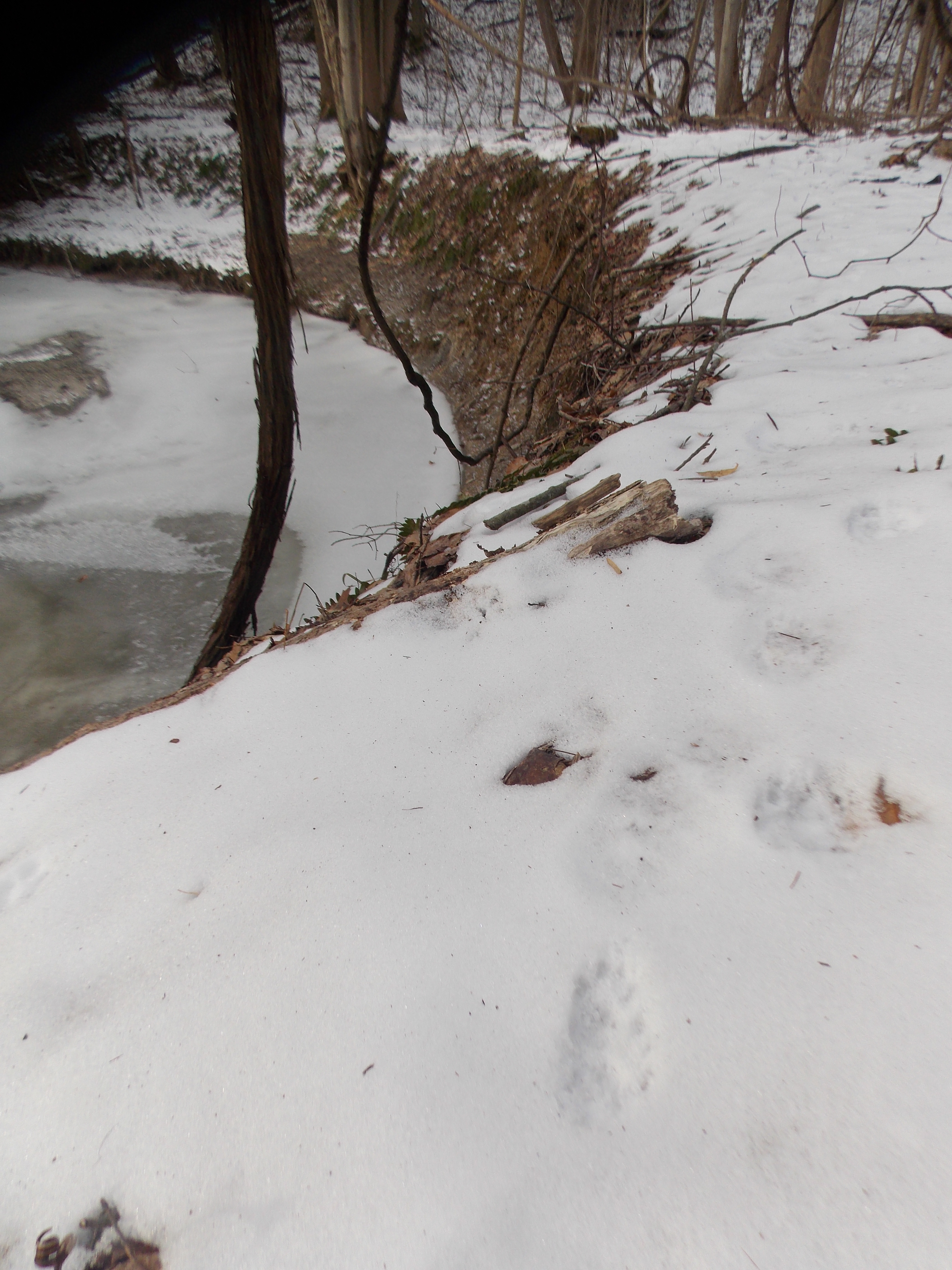
The trail split just ahead, our new friend took a turn uphill and Susan and I went on to see the finest two pools the stream had to offer. And these were good pools – you couldn’t see the entire bottom but where you could, there was some leaf litter and a couple of logs. It was easy to imagine a football-size trout hiding here. There was a well-worn mink trail here leading from a rocky ledge to the water’s edge.
The place had been worth seeing and I felt I’d gotten more than a stretch for my legs, I’d gotten food for thought. I’d found a little hope as well in a part of the state where few trout fishermen seem to appreciate anything more than the hatchery truck. Yes, that was the secret to a really fine day’s fishing – check the posted schedule, find a place where the trout were just delivered and go get your daily five. What could be better than that?
Wildness could be better. And not only could wildness be better, it is better and it’s not hard to find either. Anywhere that a little brook trickles down into a river and the spring minnows, suckers and dace find their way up, there’s some wildness. Anywhere that great old trees have died and fallen into the flow, there’s more wildness. Anywhere large trout aggressively chase minnows onto shallow bars – there’s wildness. And anywhere that a mink steals down to the water’s edge in a dark canyon far from the lights of town to find something firm and scaly and wriggling, there too is wildness.




Fishing for trout grown and placed by the state is something one can do if he’s new to fishing and doesn’t know the difference. Stocked trout are good for young people who just want something flopping on the end of the line and for the old who can’t get out and pursue wild fish like they used to. Hatchery-reared fish might have a place in heavily-fished urban waters or in pay-to-fish ponds or in streams too polluted for the eggs of wild fish to mature.
Of even more importance though, we might ask what a put-and-take fishery inspires. Can it inspire much more than the re-kindling of boyhood opening day memories, inspiring an angler to rise early, get out with rod and bait and join a hundred of his closest friends at the honey-hole?
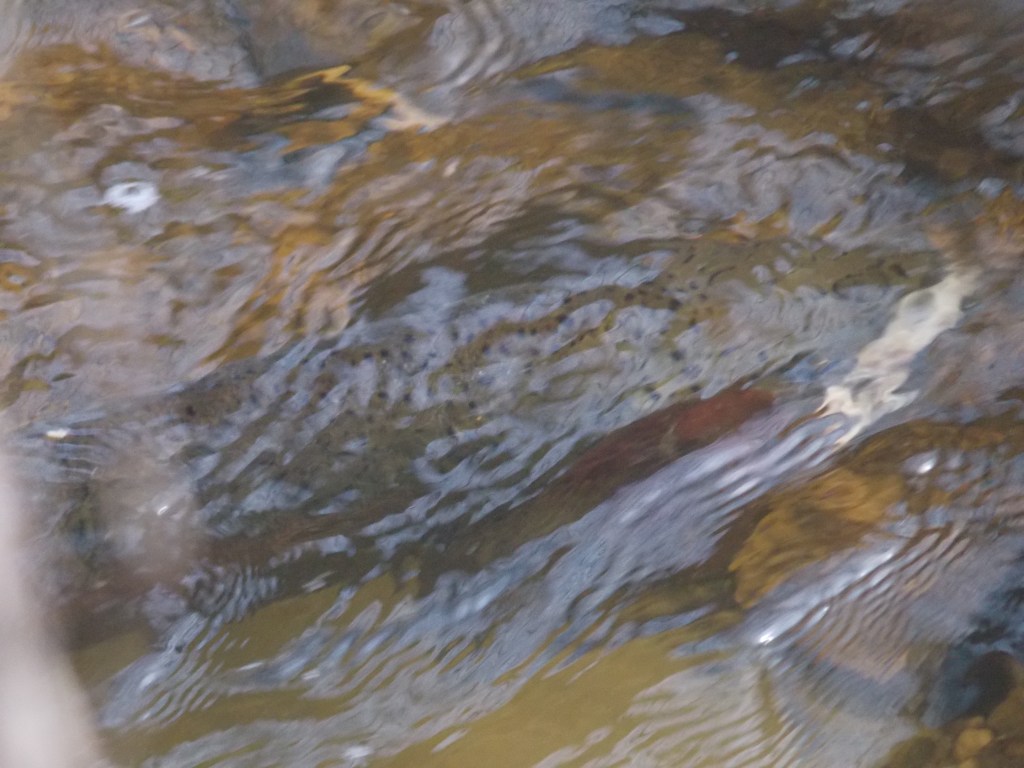
But meanwhile, in the nearby wild waters, untamed river fishes ascend with the spring flood toward hidden spawning sites in the headwaters. Birds gather in the riparian branches to feast on the swarms of caddis lofting from the watercress. They won’t turn down an armored stonefly either. Rushing water courses around log jams and under overhanging banks, swirling in myriad trajectories. And if there are trout, they are vivid, having won their spots, as it were, from years of struggling against all the elements that make up a wild watercourse. They’ve been there throughout the year, flood and drought, feast and famine.
For the few who appreciate all this, the wilder waters inspire hope, hope of finding something erratic and serendipitous before the sun ever crests the valley wall. Hope of a better kind of fish, one suited to the wild water in which it’s grown. Hope that another generation of trout and sculpins and minnows is being produced here without any direction. Hope that this water’s getting better from one year to the next.


Cultured fisheries inspire only a hunger for more stocked trout placed for us in predictable times and places. Wild fisheries inspire us with a conservation ethic, one that assumes we can’t take our legal limit home daily, if we take any at all.
Some of us arrive with our clumsy waders and fly-flinging tackle, hoping for the unforeseeable and random that only wild water can afford, the stuff that keeps us guessing and dreaming.

 Woodrise
Beautiful story, felt as though I was on your journey, lovely photographs Cedric, well done. Thank you.
LikeLike