When I started to hunt my first wild mushrooms about ten years ago, my perspective on these new wild things was immature. I thought they appeared at utterly random places and that they were as likely as not to kill you or at least leave you groping through the forest blindly, clutching your stomach and groaning. I felt like I had to sneak around so that the thousands of other mushroomers in the forest wouldn’t know where I’d found my wood ear, chanterelles or chicken of the woods. Big finds were almost greeted with dancing. Of course, maitake always has to be greeted with dancing.

I’m a more mature mushroomer nowadays, I like to thing, something closer to the little old man I met hunched over in a north Pittsburgh park years ago, seeking black trumpets and other small chanterelles. I’d stopped my run just to investigate his investigations, I’d gone home with three small mushrooms to sample and I’d just started thinking about fungi from that point on. (No doubt because their mycelia strung themselves through my brain.) It’s not too far fetched; this has become a compulsion and I sometimes wonder who’s in the driver’s seat.
On my first real mushroom hunt one September day, I brought home about twelve pounds of mushrooms. Not bad for a beginner and not difficult to do in Pennsylvania’s Fall forest. I think that about seven pounds of that got thrown out, ultimately.
Nowadays, I take as much as I can use which is more like a pound than twelve pounds, unless I’m on a commercial hunt. I don’t wash my mushrooms till I’m ready to eat them and I get them into refrigeration as soon as possible, maybe even carrying a cooler in the car. I can recognize moldy mushrooms and leave them behind.


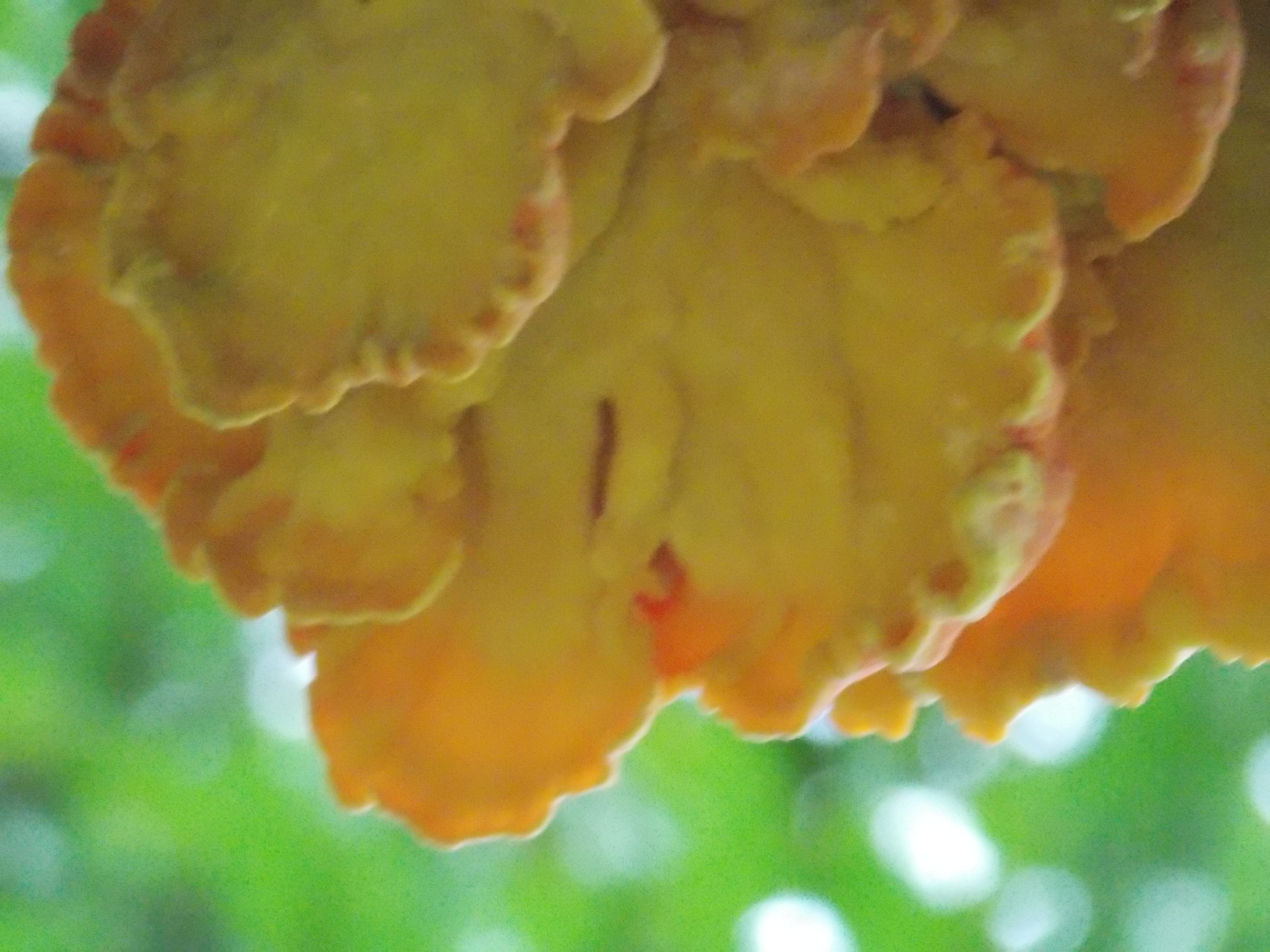


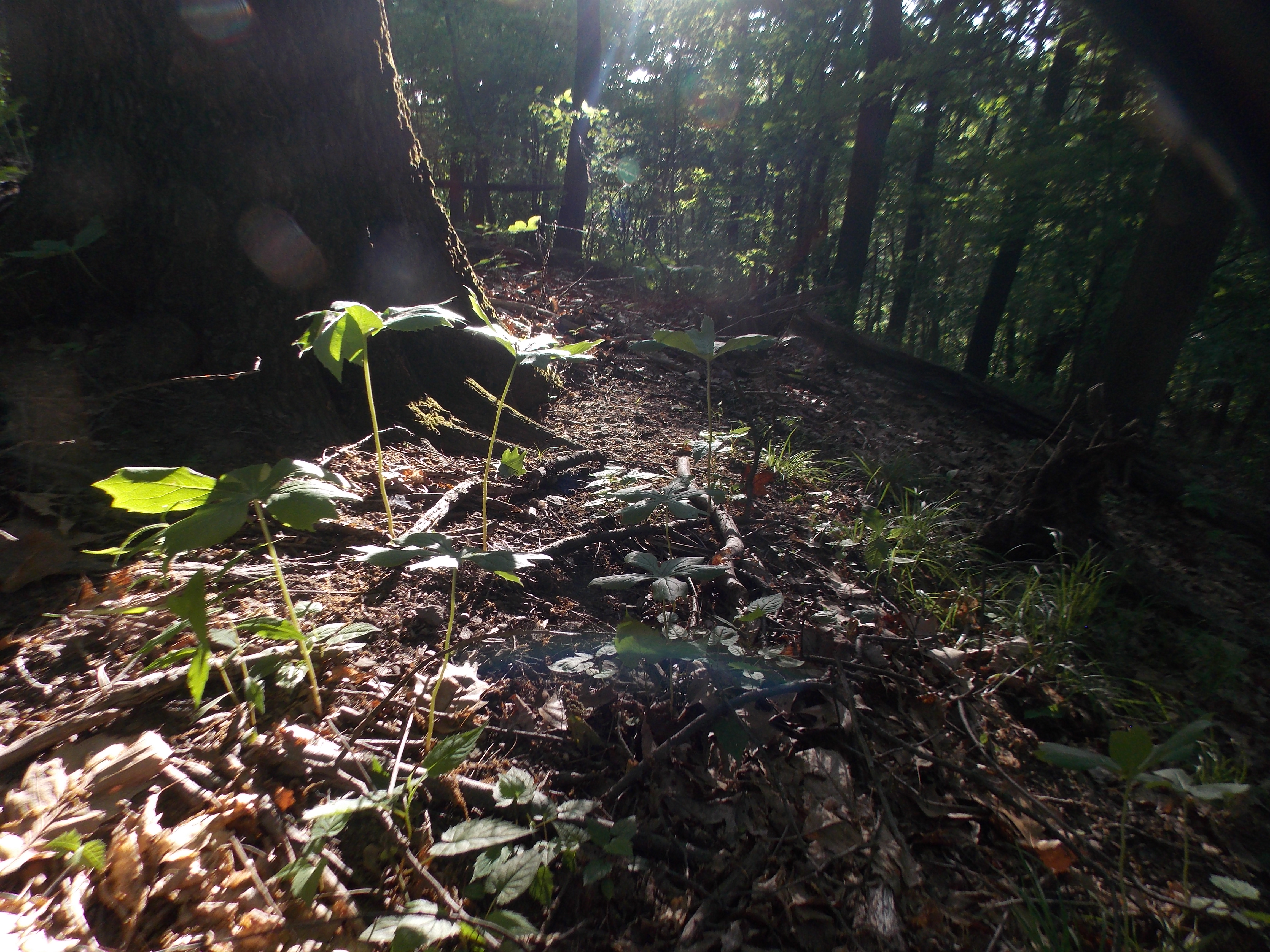


I can recognize 41 edible or medicinal species in the field now and a host of non-edibles. This pretty much means I can always find some mushrooms to eat, every month of the year. I recognized fairly early the connection between rainfall and mushroom growth and if I’m going to spend a day at it nowadays, it’s usually two to five days after a rain. But a part of my maturing as a mushroomer has been coming to the recognition that mushrooms often appear at imperfect times and places and you just have to go out and check to keep learning their growth patterns.
Having already identified much of the fungal “low-hanging fruit,” I’m now meticulous when I try to ID something new, not relying on its general shape or color alone. I look carefully at the texture of the stipe and cap. I break it, look at the inside and smell it. I check for an underground ball at the base of the stipe or bits of the mycelia. I might do a spore print, placing a cap on a white piece of paper overnight to assess the spore pattern and color. I have had close calls with the wrong mushrooms; I suppose all mushroomers have.
Through it all though, I’ve become much less fearful of these fruits of the forest floor (or decaying logs, or trees…) That’s what knowledge is good for – conquering fear and inspiring more curiosity. And I think that without curiosity, none of us would forage around in the forest understory at all, we’d all just go to the nearest produce department where we could find things certified, labeled and packaged for us.



 Woodrise
One thought on “Maturing with mushrooms”